
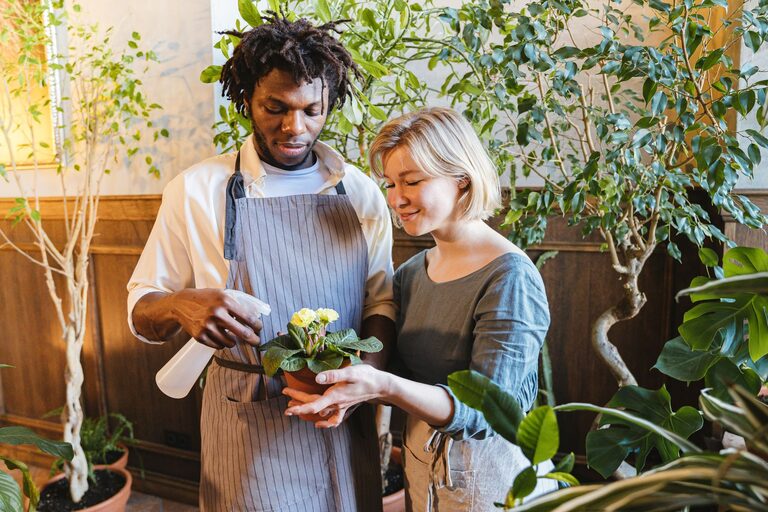

Bringing houseplants into your home is a wonderful way to add natural beauty and freshness to your space. However, keeping them healthy and thriving can sometimes feel challenging, especially if you’re new to plant care. With the right knowledge and a bit of attention, you can enjoy lush, green plants that brighten your home year-round. This guide offers practical and friendly tips to help your houseplants flourish.
Understanding Your Houseplants’ Needs
Every plant species has unique requirements, but there are common factors that influence their health. Understanding these will help you create the best environment for your plants.
Light Requirements
Most houseplants need light to thrive, but the type and amount vary:
– Bright indirect light: Many plants, such as peace lilies and spider plants, prefer bright but indirect sunlight.
– Low light: Some plants, like snake plants and pothos, tolerate low light conditions but may grow slower.
– Direct sunlight: Succulents and cacti often need several hours of direct sunlight.
Observe the natural light in your home and try to match your plants’ needs accordingly.
Watering Properly
Overwatering and underwatering are common mistakes. Here’s how to find the right balance:
– Check the soil moisture by sticking your finger about an inch deep. If it feels dry, it’s time to water.
– Water thoroughly until it drains out the bottom of the pot, ensuring roots get enough moisture.
– Avoid letting plants sit in standing water to prevent root rot.
– Remember that different plants have different watering schedules; succulents need less water than tropical plants.
Humidity and Temperature
Many houseplants come from tropical environments and appreciate humidity:
– Increase humidity by misting leaves, using a humidity tray, or placing a humidifier nearby.
– Keep plants away from drafts, heaters, or air conditioners, as rapid temperature changes stress plants.
– Most houseplants prefer temperatures between 60°F and 75°F (15°C to 24°C).
Choosing the Right Pot and Soil
A good pot and soil setup supports healthy roots and growth.
Pot Selection
– Ensure your pot has drainage holes to prevent waterlogging.
– Choose a size appropriate for your plant’s current root system; too large can lead to soggy soil, while too small restricts growth.
Soil Type
– Use potting mixes designed for indoor plants.
– Succulents require a well-draining, sandy soil mix.
– Adding perlite or sand to standard potting soil can improve drainage.
Feeding Your Plants
Plants need nutrients to grow, so regular feeding is important.
– Use a balanced, water-soluble fertilizer formulated for houseplants.
– Feed during the growing season (spring and summer) every 2-4 weeks.
– Reduce or stop fertilizing during fall and winter when growth slows.
General Care Tips
Clean the Leaves
Dust and dirt can block sunlight and reduce photosynthesis:
– Gently wipe leaves with a damp cloth every few weeks.
– For plants with many small leaves, a gentle shower under lukewarm water can help.
Pruning and Grooming
– Remove dead or yellowing leaves to encourage new growth.
– Pinch back leggy growth to keep plants bushy and full.
– Repot plants every 1-2 years to refresh soil and provide more room.
Pest Control
Common pests include spider mites, aphids, and mealybugs:
– Inspect plants regularly for signs of pests.
– Remove pests by wiping leaves with soapy water or using insecticidal soap.
– Isolate affected plants to prevent spreading.
Troubleshooting Common Problems
Wilting or Droopy Leaves
– Could indicate underwatering, overwatering, or root problems.
– Adjust watering habits and check soil drainage.
Yellow Leaves
– Often a sign of overwatering or nutrient deficiency.
– Check watering schedule and consider fertilizing.
Brown Leaf Tips
– May be caused by low humidity or salt buildup from fertilizer.
– Increase humidity and flush soil periodically with water.
Final Thoughts
Taking care of houseplants is a rewarding hobby that improves your living space and well-being. By understanding your plants’ needs and following these simple tips, you can create a thriving indoor garden that adds life and color to your home. Remember, patience and observation are key—every plant is unique and will thrive with your loving care. Happy gardening!