
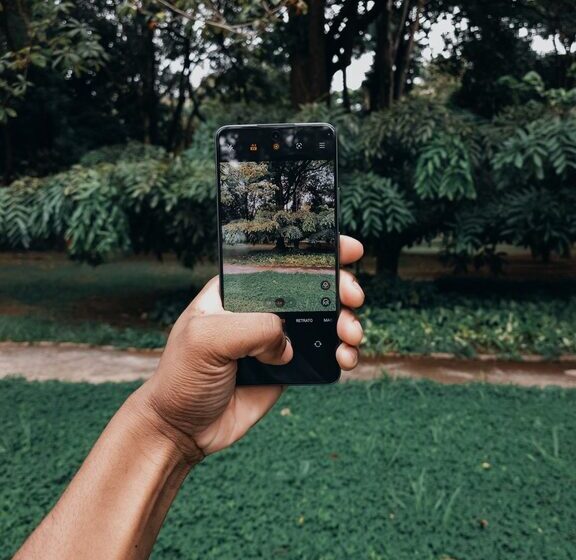

Taking great photos with your phone is easier than you think. Whether you want to capture everyday moments or create artistic shots, a few simple tips can make a big difference. This guide will help beginners improve their phone photography and take pictures they’ll be proud to share.
Understand Your Phone Camera
Before diving into advanced techniques, get to know your phone’s camera features. Most smartphones have multiple lenses, modes, and settings that can enhance your photos.
– Explore camera modes: Experiment with portrait, night, panorama, and pro modes.
– Check resolution settings: Use the highest resolution for clearer images.
– Learn about lenses: Some phones have wide-angle or telephoto lenses—try each to see their effects.
Focus on Good Lighting
Lighting plays a crucial role in photography. Even the best camera can’t compensate for poor lighting.
– Use natural light: Whenever possible, shoot outdoors or near windows to take advantage of sunlight.
– Avoid harsh midday sun: It can create strong shadows and highlights. Early morning or late afternoon light is softer and more flattering.
– Be mindful of backlighting: Avoid pointing your camera directly at light sources unless you want a silhouette effect.
– Use flash sparingly: Phone flash can be harsh; try to increase exposure or find another light source instead.
Compose Your Photos Thoughtfully
Composition helps tell a story and makes photos more engaging.
– Rule of thirds: Imagine your screen divided into a 3×3 grid. Position important elements along these lines or at their intersections.
– Keep horizons level: A crooked horizon can be distracting. Use your phone’s grid lines or editing tools to straighten.
– Fill the frame: Get closer or zoom in to remove distractions and focus on your subject.
– Look for leading lines: Roads, fences, or bridges can guide the viewer’s eye through the photo.
– Use symmetry and patterns: These add visual interest and harmony.
Steady Your Shot
Blurry photos are a common problem, but easy to fix.
– Hold your phone with both hands: This adds stability.
– Use a tripod or stand: Especially for low-light shots or videos.
– Tap to focus: This helps the camera lock onto the subject and adjust exposure.
– Use a timer or voice control: Avoid shaking when pressing the shutter button.
Experiment with Perspectives and Angles
Changing your viewpoint can turn an ordinary photo into something unique.
– Shoot from above: Capture flat lays or crowds.
– Get low: Shooting from ground level adds drama.
– Try unusual angles: Tilt your phone or take close-ups for creative effects.
– Include foreground elements: Adds depth.
Edit Your Photos with Care
Editing can enhance your photos without making them look over-processed.
– Use built-in editors: Adjust brightness, contrast, and saturation.
– Crop for better composition: Remove unwanted parts.
– Apply filters moderately: Aim for natural looks.
– Try third-party apps: Many free apps offer advanced editing tools.
Practice Regularly
Like any skill, photography improves with practice.
– Take photos daily: Experiment with different subjects and settings.
– Review your pictures: Learn what works and what doesn’t.
– Seek inspiration: Follow photographers online or join photography groups.
Final Thoughts
Phone cameras are powerful tools capable of taking beautiful photos. By understanding your device, paying attention to lighting and composition, and practicing regularly, you can capture images that stand out. Remember, the key is to enjoy the process and keep exploring your creative potential. Happy shooting!